Introduction
If you are planning work on a home or commercial space in Marlboro, one of the first practical questions is whether the project needs a permit. The answer matters more than most people expect: permits are how the township verifies that work is safe and code-compliant, and unpermitted work has a way of surfacing at the worst possible time, usually during a home sale.
Alpha 7 Construction is a licensed general contractor based right here in Marlboro, and we handle permit applications and inspections as part of our projects. This guide explains how the process generally works in Marlboro Township. For anything specific to your project, confirm with the township's construction office — requirements and procedures are set locally and can change.
Who administers permits in Marlboro
Construction permits in Marlboro are issued by the township's construction office under the New Jersey Uniform Construction Code (NJ UCC), the statewide code that governs building, electrical, plumbing and mechanical work. The state sets the rules; the township administers them, reviews applications, issues permits and performs inspections. Some projects also touch other offices — zoning, engineering or the health department — before the construction permit can be issued.
Work that generally needs a permit
As a general rule, work that changes the structure, systems or use of a building needs a permit. In practice that includes:
- Additions and structural changes. New rooms, second stories, dormers, deck construction, removing or altering load-bearing walls.
- Finished basements and attic conversions. Creating new habitable space, including the egress requirements that come with it.
- Kitchen and bathroom remodels that move plumbing or electrical. Layout changes, new circuits, relocated fixtures.
- New or replacement systems. Water heaters, furnaces, air conditioning, electrical service upgrades, generators.
- Windows and doors that change the opening. Enlarging an opening is structural; a same-size swap may not be.
- Commercial fit-outs and changes of use. Tenant work in offices, retail and warehouses, which can also trigger accessibility and fire review.
Work that often does not
The NJ UCC treats ordinary maintenance and like-for-like replacement differently from alteration. Painting, flooring, cabinets, and certain direct replacements of finishes or fixtures can fall outside permit requirements, and some categories of work on one- and two-family homes have been exempted by state code changes over the years. The line between "repair" and "alteration" is exactly the kind of question to ask the construction office before work starts, not after.
How the process generally works
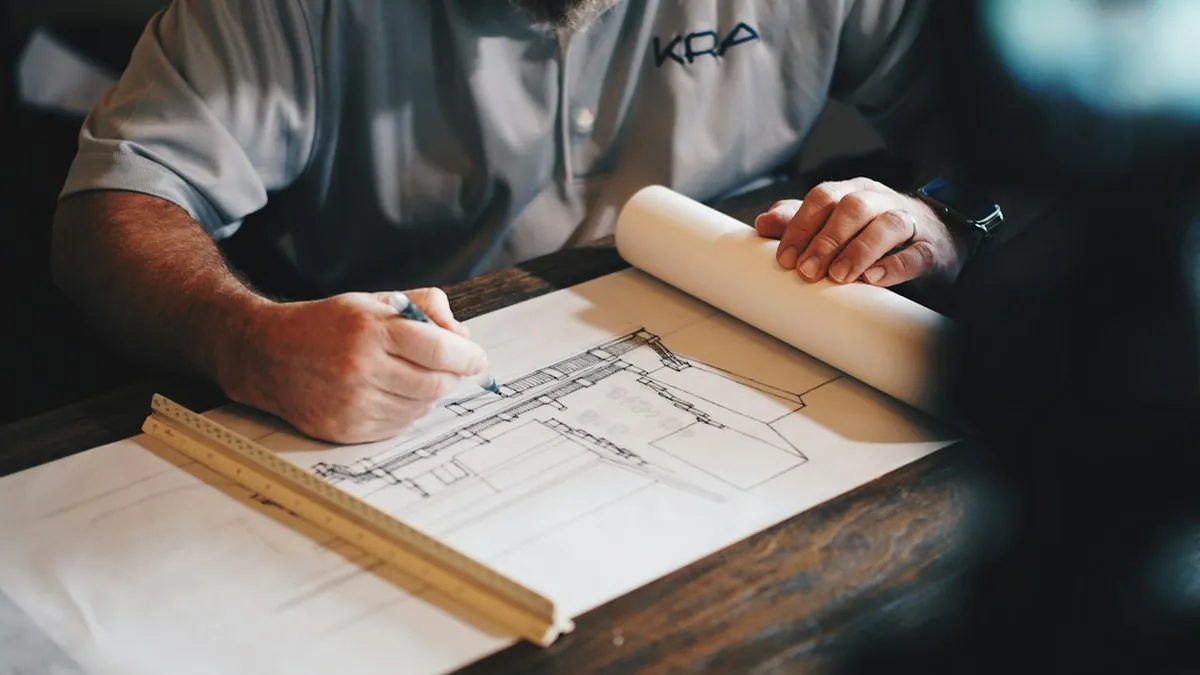
- Application. The permit application describes the work, identifies the contractor, and includes drawings when the scope requires them. Larger projects need plans sealed by a licensed architect or engineer.
- Prior approvals. If the project needs zoning review, a variance or another approval, that happens before the construction permit.
- Plan review. The construction office reviews the application against the code. Review time varies with the office's workload and the completeness of the submission.
- Permit issuance. Once approved, the permit is issued and work can begin. The permit must be posted at the job.
- Inspections. Work is inspected at defined stages — footing, framing, rough trades, insulation, final — and work cannot be covered up before the relevant inspection.
- Sign-off. After final inspections, the office issues the approval that closes the permit, or a certificate of occupancy where one is required.
Who should pull the permit
For permitted work, the permit should be pulled by the party doing the work — for a contractor-led project, that is the contractor, registered as required under New Jersey's home improvement contractor rules. Be cautious of any arrangement that asks the homeowner to pull the permit for work a contractor is performing; it shifts responsibility onto you. Alpha 7 handles permit applications and coordinates inspections on our projects as a matter of course.
Why it is worth doing right
Permitted work is inspected work. Beyond safety, a clean permit history protects you when you sell: buyers' attorneys and home inspectors routinely check for open or missing permits, and resolving them after the fact is slower and more expensive than doing it correctly the first time.
For the county-wide picture, see our Monmouth County building permits guide.
The contractor's registration matters
New Jersey requires home improvement contractors to be registered with the state under the Home Improvement Contractors' registration program, and that registration is separate from any trade license. When a contractor applies for a permit on your home, their registration information is part of the application. Before signing anything, ask for the registration number and verify it — it is a quick check that filters out a meaningful share of problem operators. Alpha 7 Construction's registration appears on our permits, contracts and site signage.
Commercial work follows a different track
Commercial projects in Marlboro — office fit-outs, retail work, warehouse improvements — run through the same construction office but with additional layers: accessibility review, fire protection requirements, and often a change-of-use analysis when a space's occupancy classification changes. Commercial applications also typically require sealed drawings from a licensed architect or engineer. If you are a tenant rather than a property owner, the landlord's approval and the lease's work letter come before the permit application, and the permit should name the party actually performing the work.
What inspectors actually look at
Inspections follow the work in stages, and each stage has to pass before the next is covered up. Footings are inspected before concrete is poured. Framing is inspected before insulation. Rough plumbing, electrical and mechanical work are inspected before walls close. Final inspections verify the finished work, and the permit closes with an approval — or, for projects that change how a space is used, a certificate of occupancy. A contractor who schedules inspections as part of the work plan, rather than treating them as interruptions, keeps a project moving.
After the permit closes
Keep the closed permit records with your house documents. When you sell, the buyer's attorney or inspector will ask about permits for past work, and a complete, closed permit history is a genuine asset in a sale. Open permits — issued but never inspected to completion — are a common and avoidable headache; if you have one from a past project, the construction office can tell you what closing it requires.
Planning a project in Marlboro?
See how we work in Marlboro, explore our renovation services and kitchen remodeling, and request a free consultation through the form below. We will review your project, explain what permits it needs and handle the process.